
CHOOSING THE RIGHT HEATING OPTIONS FOR YOUR HOME
CHOOSING THE RIGHT HEATING
OPTIONS FOR YOUR HOME
Brrrr it's beginning to get cold outside which means heating is something we cannot no longer ignore. Australian homes are very often designed to keep cool during the summer but this also means they can be a lot cooler in the winter months. It is important when making a decision in regards to heating that you consider a number of facts such as costs and energy performance.Find a system that is right for you. Heating systems offer a range of options to generate heat. These can include:
- Gas (natural or LPG);
- Electricity;
- Wood;

SPACE AVAILABILITY
There are two main types of heating, central heating, or room (space) heating. If you need to heat a whole house, then central heating would be more efficient. Ideally with zoning capabilities.
Having just a room heater can be more cost / energy efficient however this will also differ depending on how many rooms (or how many people) are running them at the same time. In addition, if you have the wrong sized heater for the space then you can find it running longer and harder then it will also cost more.
Experts that quote to install systems will measure the room size to be able to advise on what size they think will be the most efficient. Efficiency can also be linked to the homes insulation as well.
HEATING OPTIONS
GAS DUCTED HEATING
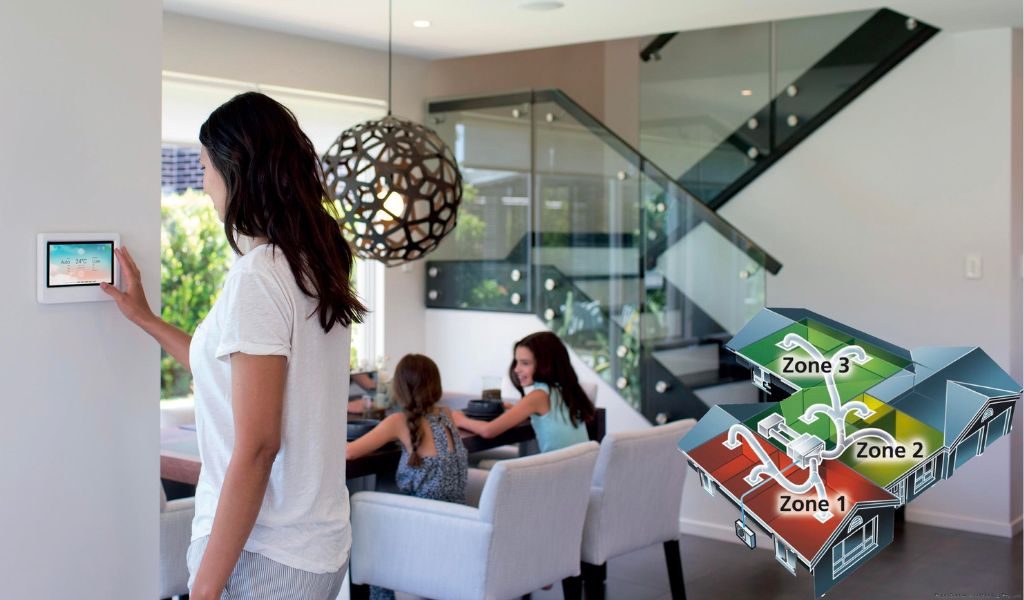
This form of heating draws the air from inside the home and heats it in a has furnace and blows it through the ducts to the outlets. A thermostat is located in the home to control the inside temperature. Some of the benefits to this form of system is:
- You can heat your home quickly.
- The system can be zoned so you can control which rooms and when you heat.
- In some systems you can have each area set at different temperatures.
The downside about ducted is that it can cost quite a lot in electricity, if you are running the system on LPG then it can also be high in cost. The cost to install the system is also quite significant.
GAS HYDRONIC HEATING
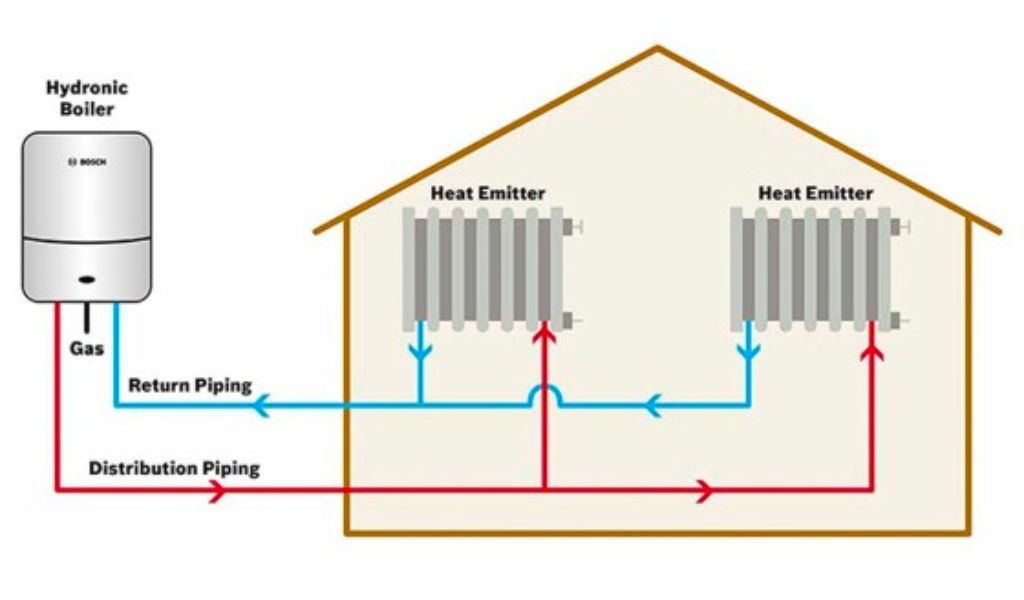
These are systems that heat the whole house by heating water in a gas boiler and circulating it through either; radiators (most common), pipes embedded in a concrete slab, fan coil units. The water then returns to the gas boiler to be re-heated. The benefits can include:
- Radiators don’t blow heated air or dust around the home, so they’re a good option for people who suffer from allergies or asthma.
- Radiator and in-slab systems provide a comfortable and less ‘drying’ heat.
- Can be zoned so you only heat spaces you’re using.
- Radiator and in-slab systems are a quiet heating source.
There are some downsides such as it takes longer to heat spaces, it is more expensive to install.
ELECTRIC DUCTED REVERSE CYCLE AIR CONDITIONING
This system provides the whole house with heating and cooling options. Heat from the outside air is pulled into a central unit. From there it is blown through the ductwork in the home. The air then returns to the indoor unit to be re-heated. Controlled by a thermostat and can offer zones. This system uses heat pump technology to extract heat from the outside air making it the most efficient form of electric heating.
Benefits can include:
- One unit provides heating and cooling.
- Most efficient form of electric heating.
- Most systems allow the home can be split into several zones.
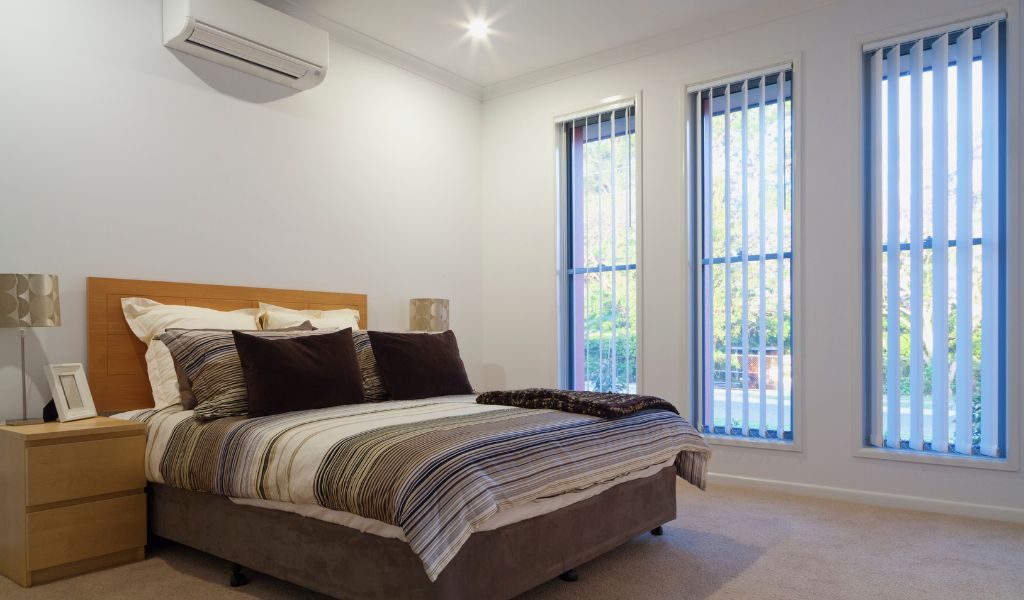
ELECTRIC REVERSE - CYCLE SPLIT SYSTEM
These systems are very popular and involve an outdoor unit that pulls heat from outside air and transfers to an internal wall unit. Each unit can be controlled individually. Air temperature is controlled by a thermostat. The system uses a heat pump to extract air from outside making it the most efficient form of electric heating. The benefits are:
- Most efficient electric heating.
- Can be zoned so you only heat areas you use.
- One unit provides heating and cooling.
- Less heat losses than ducted systems.
In addition the unit cost and installation can be significant.
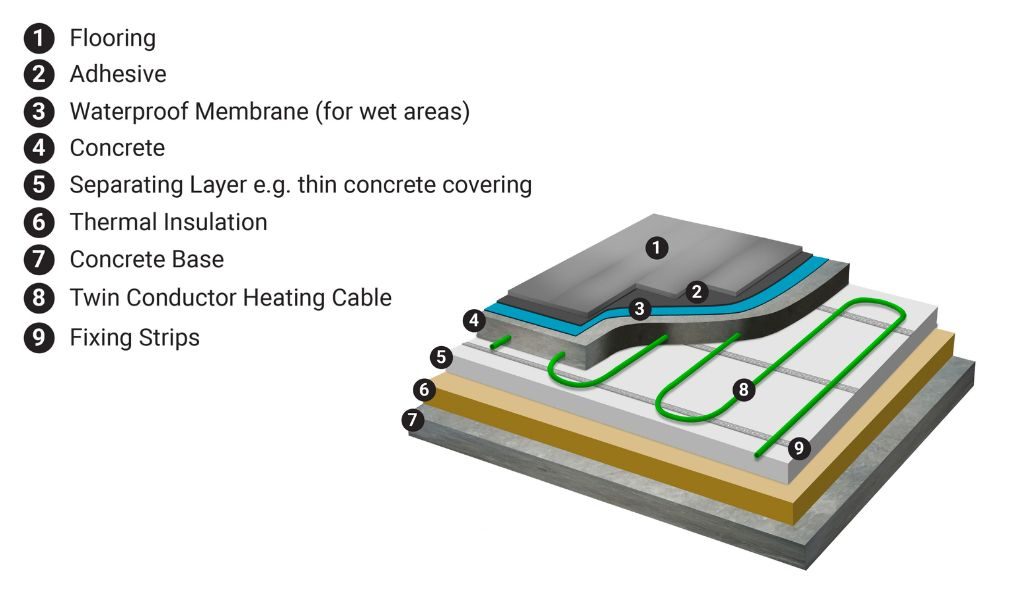
ELECTRIC IN - SLAB HEATING
This is where there are heating cables laid in the concrete slab when the house is built. They heat the concrete to a low temperature then it that acts as a slow temperature radiator whilst heating the room above. Electricity is switched on to heat the slab for about 7 to 8 hours at night (using the cheaper electricity rate) and then it slowly releases the heat during the day.
Some of the benefits for this are:
- Runs cheaper, off-peak electricity rates.
- Heats evenly which provides a very comfortable heat.
- Can be zoned so you only heat areas you need.
- Doesn’t blow heated air or dust around the home, so it’s a good option for people who suffer from allergies or asthma.
The downside to this is it can use a lot of energy and it is not the most efficient. Also it emits higher greenhouse gasses in addition, it is not the most responsive system.
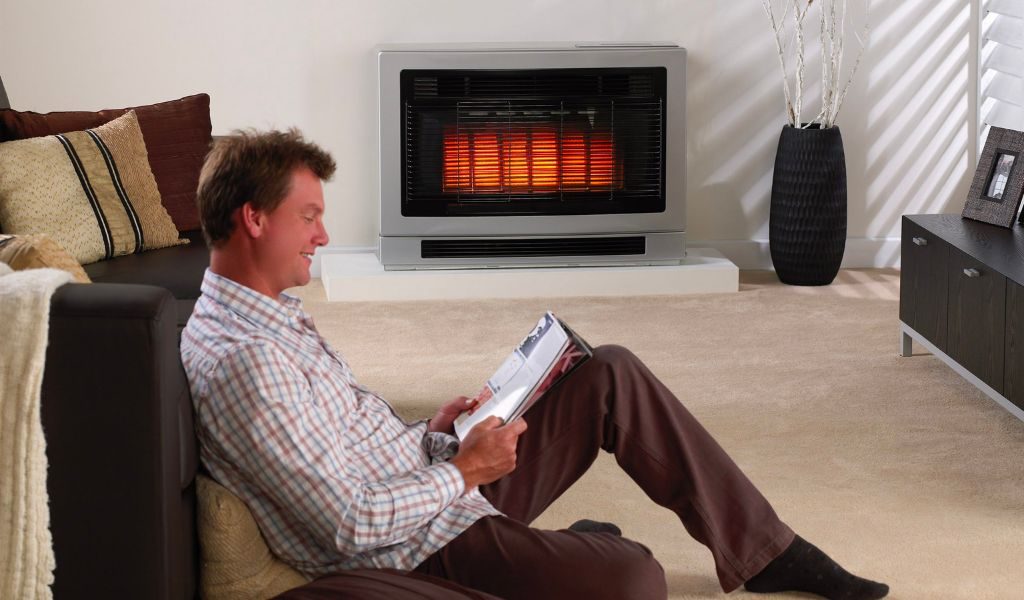
GAS HEATER
This form of heating is purely designed for one room, gas heater can be a low-cost effective way of heating as long as the heater is efficient and can run on natural gas.
There are two types: convection gas heater or radiant convection gas heater.
Benefits can be:
- Can be economical to run.
- Heats only the areas being used.
The downside is that it can only be used and installed in certain homes, there needs to be adequate ventilation to ensure safe operation.
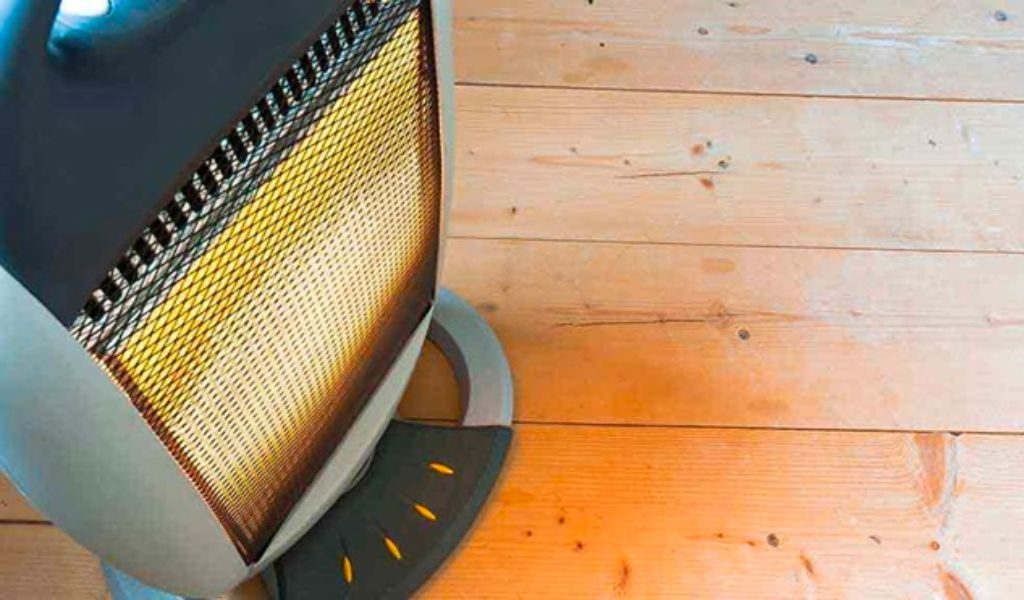
ELECTRIC PORTABLE HEATER
This is probably one of the most common heating options that people use. They typically plug into a power point and the maximum strength is 2.4kW. They are designed to hear a small area or room and for short periods. They are expensive to run long term.
Benefits include, cheap to run and portable.
Downside is it is expensive to run and low output of heat, only suitable for small rooms.
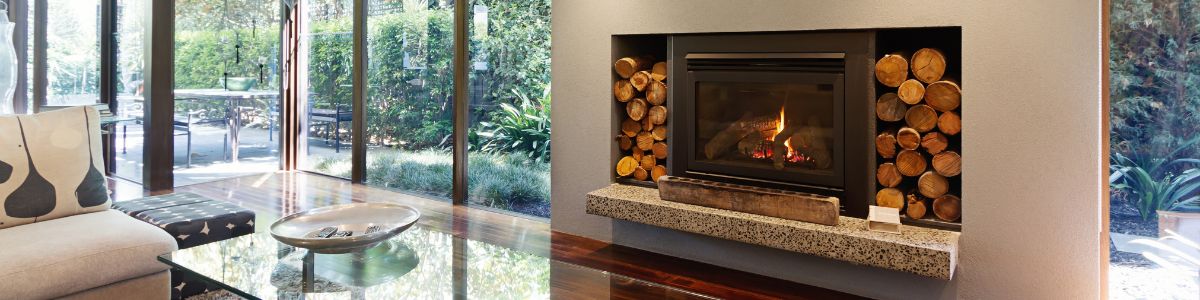
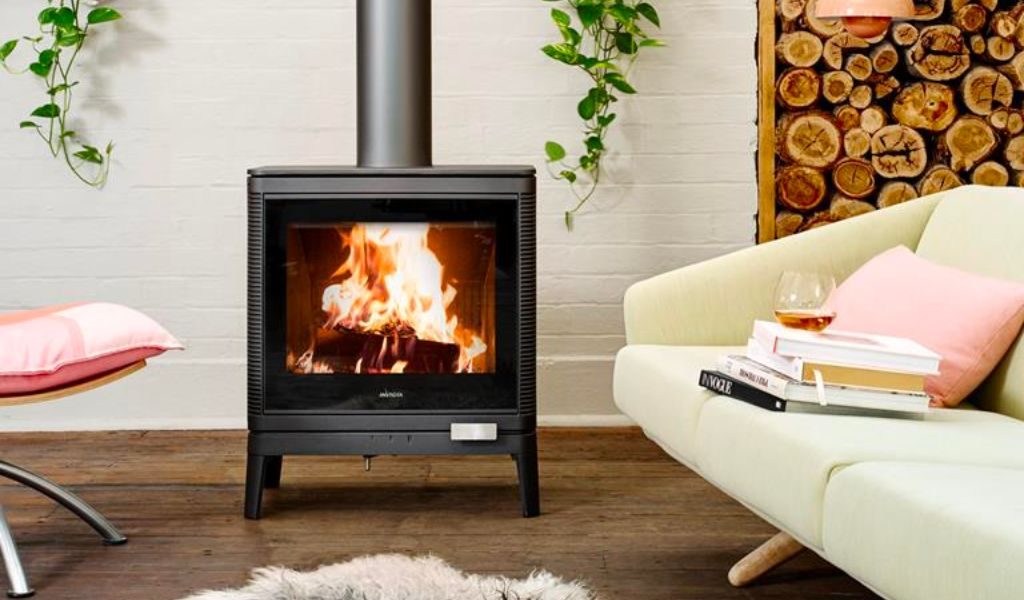
SLOW COMBUSTION WOOD HEATERS
These forms of heater burn wood and radiate heat from the top of the heater either by natural convection or with convection fan.
They also generate heat from both the body of the heater and through the glass front.
Can be used in larger areas and can be used with an ‘air shifter’ kit to shift heat to other parts of the home.
One of the large benefits of this is the low cost to run as long as you have access to cheap firewood.
The downside is that it can cause quite a lot of pollution.
There are ample styles of heaters available on the market it is important to take into consideration the different forms and what you actually want to heat. In addition, if you have things such as solar panels involved this can also impact your decision.
You might also be interested in

Jul 1, 2026
NEIGHBOURHOOD SPOTLIGHT: EATON
Eaton, WA: Riverside Living with Everyday Convenience Nestled on the banks of the Collie River, Eaton has grown into one of the South West's most desirable suburbs. Combining a relaxed lifestyle with

Jul 1, 2026
MODULAR HOMES VS TRADITIONAL HOMES
Modular Homes vs Traditional Homes: Which Option Is Right for You? If you're planning to build a new home, you've likely come across the growing popularity of modular homes. Once considered a niche o