

END OF WA RENTAL MORATORIUM

END OF WA RENTAL MORATORIUM
The end of the moratorium has Landlords celebrating and on the other side has some tenants lost. This moratorium carried from 30th March 2020 until the 29th of March 2021. The moratorium held a ban on rent increases, evictions, a lengthy process for lack of rental payments, terminations and restrictions on actions as a Landlord. So now that it is over what does that mean for tenants and owners.

TENANTS:
Evictions are very real right now with the owner issuing a required vacate date for the 29th of March 2021. However, with a shortage of rentals, a lot of the tenants are finding it hard to find a home to move to. There are quite a few reasons for issuing a termination notice. It can be the owner may be selling as the market is hot or they are looking to move in themselves leaving the tenant grasping at straws to find a home. It was also estimated by The Real Estate Institute of WA (REIWA) that rental prices and the increase could be 15% or higher making housing less affordable.
Tenants are pushing back and are saying “it is not fair.” But does this beg the question – did the moratorium help or hinder rentals? If rent increases were not restricted and terminations not delayed wouldn’t it of helped with a lack of stock and the rental increase bubble we are now seeing? It would have kept more of a normal flow now we are seeing landlords take advantage or even acting out as the market shows a shortage. Not only that, tenants that have secured another rental might also be delayed if those tenant in the premises currently cannot vacate – this is creating a domino effect.
Premier Mark McGowan encouraged landlords and tenants to work together cooperatively and harmoniously. He said rents in WA were the cheapest in the country, at 18 per cent of incomes.
"There's no easy answer here. There's no easy solutions," he said.
"We have made $4,000 grants available to landlords who want to keep a tenant in place that may have had financial difficulty."
Mr McGowan predicted the number of properties available on the market would increase as investors came back after the end of the moratorium.
With sometimes 30-40 + applications coming in for one property it is extremely difficult to find somewhere to live. It is clear there is an acute shortage of social and affordable housing.

LANDLORDS
For some landlords this has been a much anticipated moment. The ability to increase rent to market value and also provide notice to tenants has just been a distant dream. Just like most tenancy laws it has always felt as though the government takes into account the tenants needs however when it comes to the landlord it truly can be a struggle to keep it all afloat. There are strong arguments against the COVID moratorium not only for restricting the needs to the landlord however they have created a rental bubble – extending the moratorium felt unnecessary and also pushed a shortage of rentals into the picture. Although on the other hand has it now pushed the prices up thus allowing landlords to increase. Many owners sick and tired of the stresses of owning are now turning to selling their properties.
There was a lack of support from insurance companies – pushing back rental income insurance. When combined with the moratorium it is clear why investors were slowing down and not looking to purchase with a cause of concern for the income perspective of the house.
Finally, finally, finally the landlord can give notice to tenants that have been causing grief however are we just going to end up in a back log of court cases due to tenants not being able to find alternate accommodation? This might mean additional weeks or months of no rent or no actionable terminations.
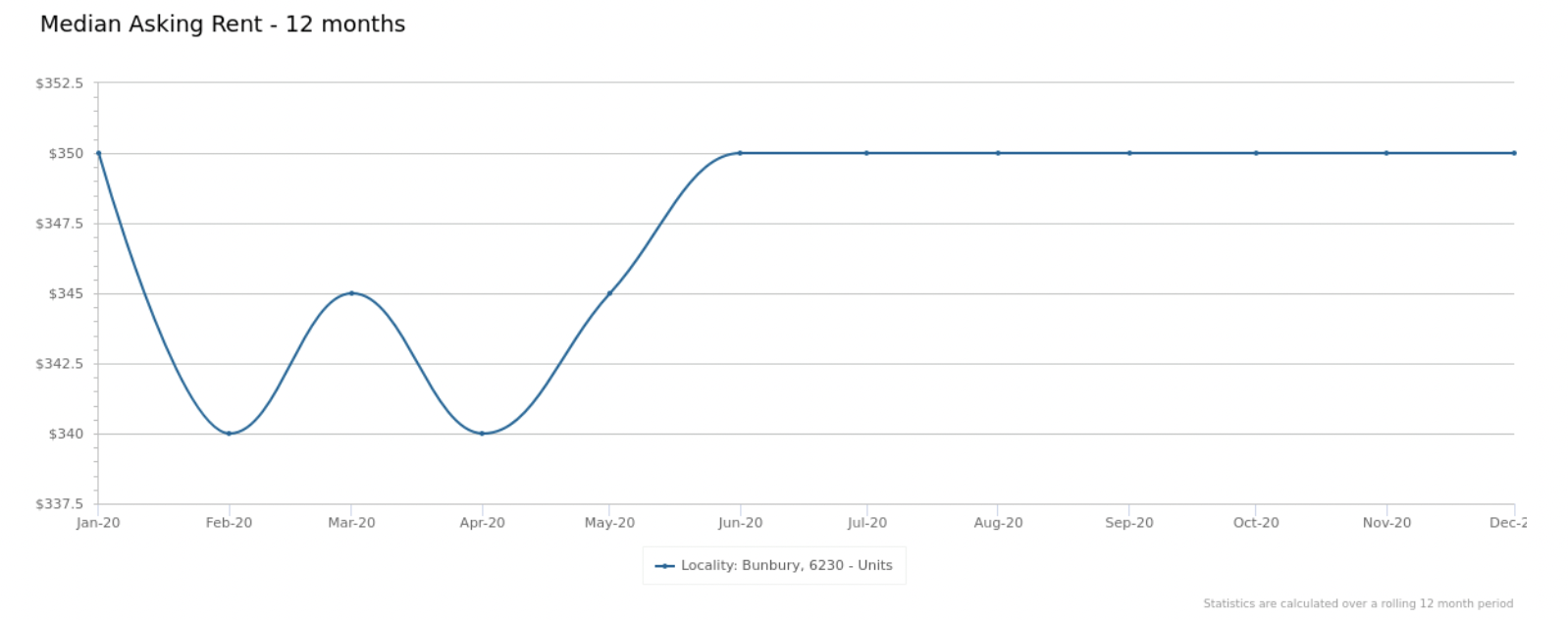
Ultimately, the rental moratorium ending is the first step to helping fix WA’s rental shortage. In the coming months, we will hopefully see investor activity improve, which will increase the amount of rental stock available, reduce competition among tenants and create a more balanced market for both tenants and owners.

You might also be interested in
Jul 1, 2026
NEIGHBOURHOOD SPOTLIGHT: EATON
Eaton, WA: Riverside Living with Everyday Convenience Nestled on the banks of the Collie River, Eaton has grown into one of the South West's most desirable suburbs. Combining a relaxed lifestyle with

Jul 1, 2026
MODULAR HOMES VS TRADITIONAL HOMES
Modular Homes vs Traditional Homes: Which Option Is Right for You? If you're planning to build a new home, you've likely come across the growing popularity of modular homes. Once considered a niche o