
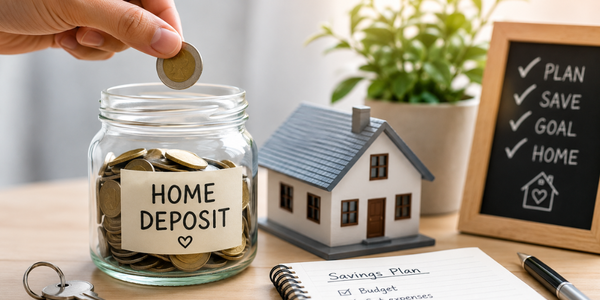
HOW MUCH DEPOSIT DO YOU REALLY NEED?
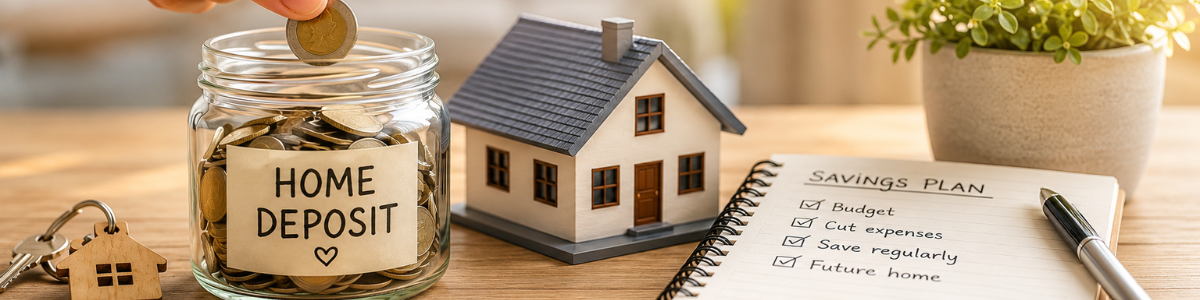
How Much Deposit Do You Really Need?
One of the most common questions we hear from aspiring homeowners is: "How much deposit do I actually need to buy a property?"
The good news is that you may not need as much as you think.
While a 20% deposit is often considered the ideal target, many buyers successfully enter the market with a smaller deposit. Understanding your options can help you create a realistic savings plan and get into your first home sooner.
What Is a Deposit?
A deposit is the upfront contribution you make towards the purchase price of a property. The remaining amount is typically financed through a home loan.
For example, if you're purchasing a home for $600,000:
A 20% deposit would be $120,000
A 10% deposit would be $60,000
A 5% deposit would be $30,000
The larger your deposit, the less you'll need to borrow, which can reduce your monthly repayments and overall interest costs.
Why Is 20% Considered the Magic Number?
Traditionally, lenders prefer borrowers to have a deposit of at least 20% of the property's value.
Having a 20% deposit can provide several advantages:
Avoid paying Lenders Mortgage Insurance (LMI)
Access to a wider range of loan products
Potentially more competitive interest rates
Lower ongoing loan repayments
However, saving 20% can take years, particularly for first-home buyers facing rising property prices and living costs.
Can You Buy With Less Than 20%?
Yes.
Many lenders offer loans with deposits as low as 5% to 10%, provided you meet their lending criteria.
If your deposit is below 20%, you may be required to pay Lenders Mortgage Insurance (LMI), which protects the lender if you're unable to repay the loan.
While LMI adds to your costs, it can allow you to enter the market sooner rather than spending additional years saving.

Don't Forget the Additional Costs
Your deposit isn't the only expense you'll need to budget for.
Additional costs may include:
Stamp duty (where applicable)
Conveyancing and legal fees
Building and pest inspections
Loan application fees
Moving expenses
Home and contents insurance
It's important to have a financial buffer so these expenses don't come as a surprise during the buying process.
Government Assistance May Help
Depending on your circumstances, you may be eligible for government incentives designed to help buyers enter the property market.
These can include:
First Home Owner grants
Stamp duty concessions
First-home buyer guarantee schemes
Shared equity programs
Eligibility requirements vary, so it's worth speaking with a mortgage broker or financial adviser to understand what support may be available.
How Much Should You Aim to Save?
While every buyer's situation is different, a practical goal is to save:
At least 5% of the purchase price for your deposit
Additional funds for purchasing costs and emergencies
More if possible, to reduce your borrowing requirements
The right deposit amount is ultimately the one that allows you to purchase comfortably while maintaining financial stability.
Final Thoughts
Buying a home may feel like a distant goal, but understanding your deposit requirements is often the first step towards making it a reality.
Whether you're aiming for a 5%, 10%, or 20% deposit, having a clear savings strategy and seeking professional advice can help you navigate the process with confidence.
If you're thinking about buying your first home or your next property, the team at Umbrella Realty is here to help guide you through every stage of the journey.
Have questions about the local property market? Contact our team today for expert advice and personalised guidance.

You might also be interested in
Jul 1, 2026
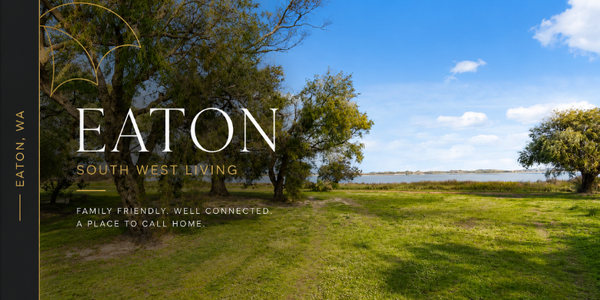
NEIGHBOURHOOD SPOTLIGHT: EATON
Eaton, WA: Riverside Living with Everyday Convenience Nestled on the banks of the Collie River, Eaton has grown into one of the South West's most desirable suburbs. Combining a relaxed lifestyle with

Jul 1, 2026
MODULAR HOMES VS TRADITIONAL HOMES
Modular Homes vs Traditional Homes: Which Option Is Right for You? If you're planning to build a new home, you've likely come across the growing popularity of modular homes. Once considered a niche o