

INVESTING IN REGIONAL AUSTRALIA

INVESTING IN REGIONAL AUSTRALIA: WHAT YOU NEED TO KNOW
When it comes to real estate investment, many people have historically focused on major cities like Perth, Sydney, Melbourne, and Brisbane. However, in recent years, regional areas across the country have been gaining attention as lucrative alternatives for property investors. Whether you're a first-time investor or an experienced property mogul, regional Australia offers exciting opportunities. Here’s everything you need to know before diving into regional property investment.
WHY INVEST IN REGIONAL AUSTRALIA?
Affordability
One of the main reasons investors are looking outside major cities is affordability. Property prices in many regional areas are significantly lower than in metropolitan centres, making it easier to enter the market. This offers both a diversification strategy and the potential for long-term capital growth.
Strong Rental Demand
Many regional areas are experiencing growing populations due to lifestyle changes, such as remote work and people leaving the hustle and bustle of the cities. Popular regional towns and cities, especially those located near major highways or coastal areas, can see a steady influx of renters seeking affordable housing options.
Capital Growth Potential
While capital growth in regional areas may not be as fast-paced as in major cities, it can be more sustainable. Over the years, many regional towns have experienced substantial price increases as infrastructure improves, local economies strengthen, and more people choose to relocate. Investors who get in early can benefit from this long-term growth, particularly in regional hotspots seeing urban sprawl or those that are undergoing revitalization.
Lifestyle Benefits for Tenants
Regional areas often offer a higher quality of life compared to busy city centres. Tenants are increasingly looking for spacious homes, access to nature, and lower living costs, making regional properties more attractive to a wide range of renters. For many, the allure of less congestion, cleaner air, and better work-life balance is a major draw.

WHAT TO CONSIDER WHEN INVESTING IN REGIONAL AUSTRALIA
Local Economic Stability
Before investing in a regional area, it's crucial to understand the local economy. Research the industries driving growth in the region. Are there major employers or upcoming infrastructure projects that could impact the market? For example, a mining town may be booming, but the economy could be highly dependent on commodity prices. Similarly, towns near tourist hubs may see fluctuations in demand based on tourism trends. Understanding the economic drivers will help you make a more informed decision.
Population Growth Trends
Population growth plays a key role in driving property demand. Areas with increasing populations will generally experience higher demand for housing, leading to higher rental yields and capital growth. On the other hand, declining or stagnating populations can lead to weaker demand and more competition between investors. Keep an eye on local government plans and population projections to assess future growth potential.
Regional Infrastructure Development
Government investment in infrastructure is a strong indicator of a region’s future prospects. Infrastructure improvements, such as upgraded transport links, new healthcare facilities, or better internet access, can significantly increase the desirability of a region. A town with a new freeway, train station, or airport expansion can become much more accessible to larger cities, thus driving property demand and prices.
Local Market Research
Each regional market is unique, and property prices can vary significantly from one town to another. What works in one area may not apply in another, so take the time to research local market conditions. This includes understanding the local property types in demand (e.g., houses vs. apartments), typical rental yields, vacancy rates, and the types of tenants the area attracts. Talk to local agents, visit the area, and review recent sales data to get a sense of the market.
Long-Term Investment Horizon
Investing in regional Australia often requires a longer-term perspective. While the potential for capital growth exists, it may take time for a region to appreciate significantly. This is different from the more fast-moving markets in major cities where price fluctuations can be quicker. Investors in regional areas should be patient and prepared for a longer holding period to see a return on their investment.
Investing in regional Australia can provide attractive returns, particularly for those willing to do their research and take a long-term approach. Regional areas offer more affordable property options, potential for solid capital growth, and a growing rental demand as people look for more affordable housing options outside major cities. As with any investment, it’s crucial to understand the local market dynamics and economic drivers, so you can make an informed decision. With careful planning, regional property investment could be a smart strategy for diversifying your portfolio and securing long-term returns.
 Written by Chat GPT
You might also be interested in
Jul 1, 2026
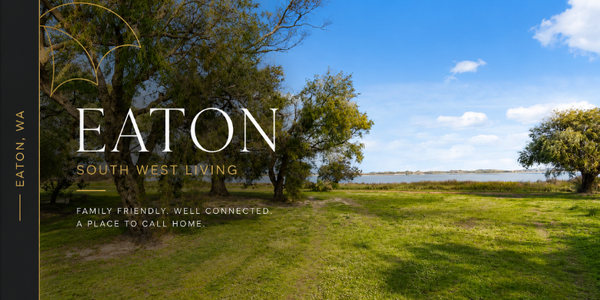
NEIGHBOURHOOD SPOTLIGHT: EATON
Eaton, WA: Riverside Living with Everyday Convenience Nestled on the banks of the Collie River, Eaton has grown into one of the South West's most desirable suburbs. Combining a relaxed lifestyle with

Jul 1, 2026
MODULAR HOMES VS TRADITIONAL HOMES
Modular Homes vs Traditional Homes: Which Option Is Right for You? If you're planning to build a new home, you've likely come across the growing popularity of modular homes. Once considered a niche o