

MENTAL HEALTH AWARENESS WEEK
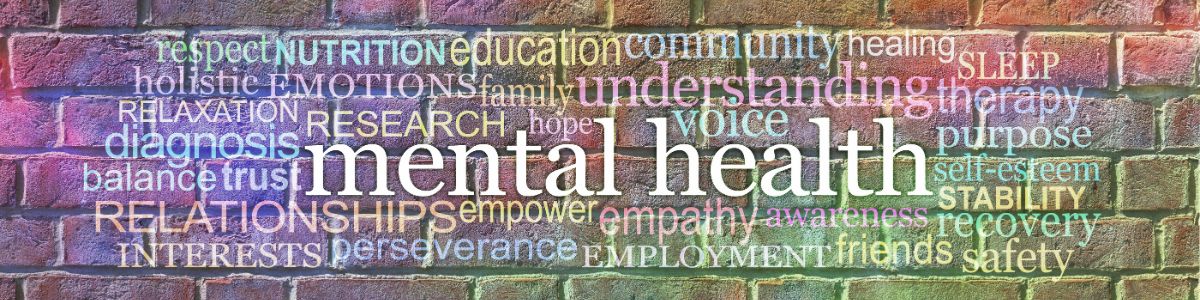
Mental Health Awareness Week
May 15th – May 21st 2023
Mental Health Awareness Week will be commencing from May 15th to May 21st, 2023. Many people are severely affected by mental illness and many of them are being left behind in the national conversation about mental health.
For Mental Health Awareness Week 2023, we are looking at how anxiety can affect people living with severe mental illness, what external factors can trigger this strong response, and what we can do to support our peers.
We all feel anxious time to time but when you live with a severe mental illness, anxiety can be a whole new level. Stigma, lack of support, side effects of medication, mania, limited access to housing, employment, and welfare. These are all unique traits of anxiety faced daily by those of us experiencing mental illness.
The often-asked question is what can we do to help prevent it? Well, in all honesty its always going to linger around like a bad smell.
On the bright side there are so many small things you can do to help such as:

Talk to someone you trust.
Talking to someone you trust about what’s making you anxious could be a relief. It may be that just having someone listen to you and show they care can help in itself.
Look after your physical health
Sleep can give you the energy to cope with difficult feelings and experiences. Ensure that you’re eating regularly and keeping your blood sugar stable, this can make a difference to your mood and energy levels. Physical activity is not only good for your body, but it's also great for your mind.
Try breathing exercises.
These can help you cope and feel more in control. You The 4-7-8 breathing technique in for 4 seconds, holding your breath for 7 seconds, and exhaling for 8 seconds. People may find it helps manage anxiety. This breathing pattern aims to reduce anxiety or help people get to sleep.
You will get the most benefit if you do these regularly, as part of your daily routine. You can do it standing up, sitting in a chair that supports your back, or lying on a bed or yoga mat on the floor. Make yourself as comfortable as you can.
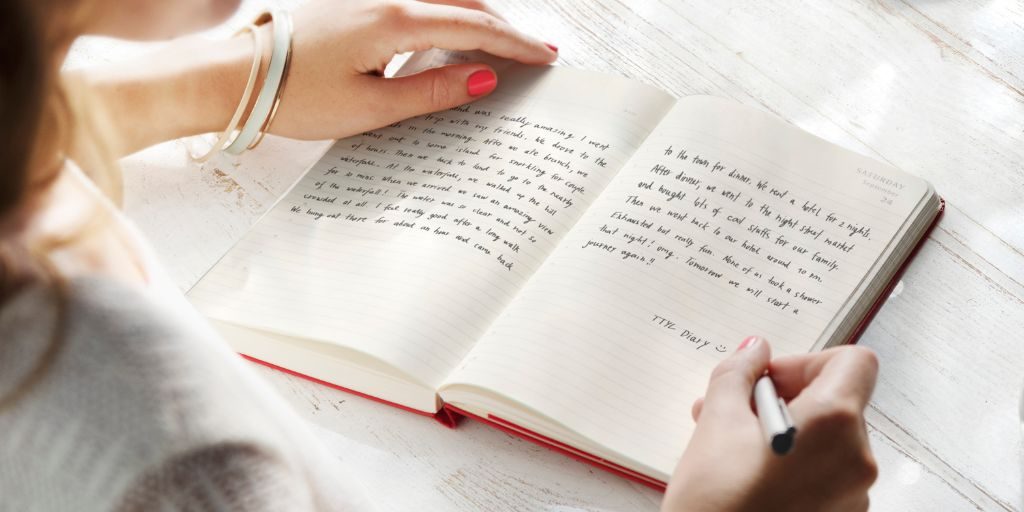
Keep a diary
It might help to make a note of what happens when you get anxious or have a panic attack. This could help you spot patterns in what triggers these experiences for you or notice early signs that they are beginning to happen.
You can also make note of what is going well. Living with anxiety can mean you think a lot about things that worry you or are hard to do. Its important to be kind to yourself and notice that good things too.
Complementary and alternative therapies.
You may find that complementary and alternative therapies help you to manage your anxiety. There are many types that you can try, to see what works best for you. These may include:
Yoga
Meditation
Aromatherapy
Massage
Reflexing
Herbal treatments
Hypnotherapy
Some people find that one or more of these methods can help them relax or even sleep better.
“There is hope, even if the brains tells you there isn’t”
John Green
You might also be interested in

Jul 1, 2026
NEIGHBOURHOOD SPOTLIGHT: EATON
Eaton, WA: Riverside Living with Everyday Convenience Nestled on the banks of the Collie River, Eaton has grown into one of the South West's most desirable suburbs. Combining a relaxed lifestyle with

Jul 1, 2026
MODULAR HOMES VS TRADITIONAL HOMES
Modular Homes vs Traditional Homes: Which Option Is Right for You? If you're planning to build a new home, you've likely come across the growing popularity of modular homes. Once considered a niche o