
RENTING VS BUYING
Choosing to rent or buy a home is a major decision to make that will ultimately affect your financial health, lifestyle, freedom and, flexibility. Whatever pathway you choose to take, both require a steady income so you can afford all the associated costs and level of effort to keep maintenance up to scratch. Owning a home isn’t always better than renting, and renting is not always as simple as it seems, so read below on some things to consider when weighing out whether renting or buying is the best option for you.
BUYING
Owning a home can come with many advantages, such as the sense of security it provides, being able to personalize your home, whether that be the freedom to paint, renovate or landscape without needing permission from a landlord or fearing breaching a rental agreement and is the perfect opportunity to build equity for yourself.
Your equity is the difference between what you can sell the home for and what you owe. Equity grows the more you pay off your mortgage. The best thing about having equity is the ability to redraw on your mortgage, for holidays, or new leisure items (maybe a new car) although this may prolong how long it takes for you to pay off your mortgage it is always nice to have that option there.
Another great thing about owning a home is the stable monthly repayment if you choose to have a fixed-rate mortgage. This means you’ll pay the same monthly amount for principal and interest until the mortgage is paid off, whereas rent can increase annually at the owner’s discretion
A downfall associated when owning a home is the chance of not being able to sell your home when you want. And even if you do, you may not get it at the price you want, especially if the housing market is down. However, thankfully there was a significant sales growth in 2021. One of the biggest is in Usher with a 26.4% sales growth followed by Bunbury which has a 17.1% sales growth.
Ultimately buying a home can be heavily dependent on your financial situation. It can come with large upfront costs, as most banks will require a 10% deposit upfront. For example, if your property is worth $320,000.00 this would mean you would be required to put a deposit of $32,000 on the house initially. Another thing to consider if the ongoing maintenance cost as when you own a home, you are the first line of repair, and any damages or maintenance issues will be coming out of your pocket.
RENTING
Renting a home can be a much more affordable option and might make more sense for their financial circumstances. The deposit of renting a home is significantly less than putting a deposit down to buy a home. Most rental deposits are bond which is four (4) rent than (2) weeks rent in advance. For example, if you are renting a property for $350 a week the overall upfront cost would be $2,100. There is the potential to get receive the bond back at the end of your tenancy. Renters also do not have to pay property taxes, nor do they pay yearly rates or quarterly rates for water, electricity, and gas. The only thing renters must pay is their weekly rent and the usage of their facilities.
Another great thing about renting is the access to some amenities that would prove much more expensive to have if you were to buy a home. Luxuries such as an in-ground pool or a fitness center come standard at much midscale to upscale apartment complexes with no additional charge to tenants. Whereas if you are the owner of the unit you need to pay for the amenities through the strata fees.
As I mentioned earlier, if you are a homeowner, you are responsible for all dealings and paying for all maintenance required. Being a tenant renting a home means there are no maintenance costs or repair bills. This means that when you rent a property, your landlord assumes full responsibility for all maintenance, improvement, and repairs. However, bear in mind, that this only applies if the damages or issues arise that are not the fault of your own. In this case, if something broke or stopped working because of you, you will be required to fix the issue out of your own pocket or have the expenses taken out of your bond.
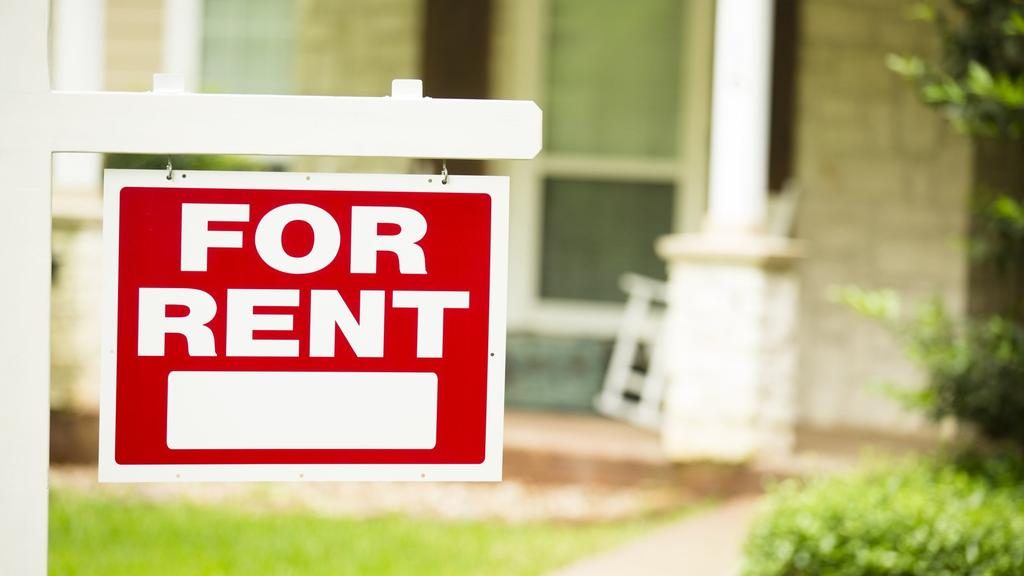
If you are in a fixed-term agreement with your landlords, there is no guarantee that the owners will extend the lease at the end of the agreed tenancy, which can leave you stressed in the months leading up to your tenancy end date. Renting sometimes seems like you are walking on eggshells, never knowing if alterations you desire to do the property will result in you breaching your agreement however keep in mind if you keep the lines of communication open with your agency and the owner then you should be fine.
When deciding if you want to rent or buy there are many pros and cons you need to weigh up. Buying a home can bring you a strong sense of security, gives you the freedom to do whatever you want to the property, and increase your equity but, might be very finically pressing, especially when you are getting started. Whereas renting can be much more affordable and give you access to luxury amenities that you might not be able to get when buying, however, there is limited flexibility and security with renting. Outweigh all there differences and see how the outcomes weigh up with your lifestyle, needs, and desires.
You might also be interested in
Jul 1, 2026
NEIGHBOURHOOD SPOTLIGHT: EATON
Eaton, WA: Riverside Living with Everyday Convenience Nestled on the banks of the Collie River, Eaton has grown into one of the South West's most desirable suburbs. Combining a relaxed lifestyle with
Jul 1, 2026
MODULAR HOMES VS TRADITIONAL HOMES
Modular Homes vs Traditional Homes: Which Option Is Right for You? If you're planning to build a new home, you've likely come across the growing popularity of modular homes. Once considered a niche o