

STAYING SAFE DURING THE CORONAVIRUS
Staying Safe During the Coronavirus (COVID-19) Pandemic
As Australians start to set up their home offices and practice social distancing, deputy chief medical officer Professor Paul Kelly has issued some advice about what you should be doing to protect yourself from COVID-19.
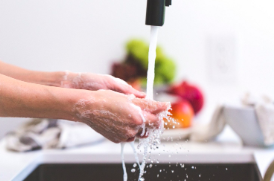
1. WASH YOUR HANDS
"Do it often and do it properly," Professor Kelly said.You should wash your hands after blowing your nose, coughing or sneezing; if you have had close physical contact with anyone who is unwell; after using the toilet; before and after eating and after you touch a pet.
Experts also say you should wash your hands after visiting public spaces to remove any germs you may have picked up from contaminated surfaces, such as those frequently touched on public transport, in shopping centres or in gyms.
You also need to make sure you wash them thoroughly, which means lathering them up with soap and scrubbing for at least 20 seconds (about the time it takes to sing "Happy Birthday" twice) under clean, running water.
2. SNEEZE INTO YOUR ELBOW
When you cough or sneeze, sneeze into your elbow. Then wash your hands.
COVID-19 can spread through contact with droplets from an infected person's cough or sneeze. Someone who is sick and coughs into their hand can easily spread the virus by touching surfaces which healthy people later touch.
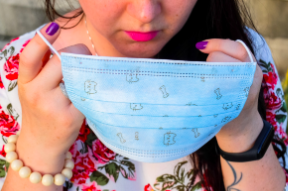
3. DON'T TOUCH YOUR FACE
Even if your face is itchy, do not touch your face.
4. PRACTICE SOCIAL DISTANCING
Professor Kelly is urging Australians to keep "1.5 metres away from everyone whenever that is possible".
At home or with small groups of friends, that means avoid handshaking and other physical greetings; regularly clean shared high-touch surfaces such as tables, kitchen benches and doorknobs; increasing the amount of fresh air in your home by opening windows or adjusting air conditioning, and; buying what you can online so you limit visits to the shop.
The Australian Government also recommends you consider what travel and outings are necessary and go to open places such as parks.
If possible, work from home or hold meetings through video conferences and take your lunch break outside in the open air.
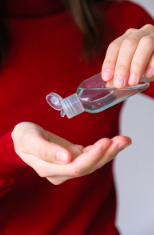
5. STAY AT HOME IF YOU'RE SICK
If you're sick, stay at home, insists Professor Kelly.
"We want people who also have been in contact and been known to be in contact with a positive case to stay at home for 14 days," he said.
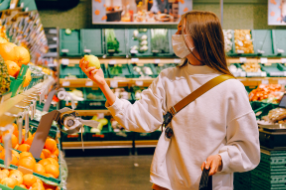
6. AVOID TOUCHING THINGS
Try to keep your hands to yourself and avoid touching surfaces in public places, including public transport, shopping centres and gyms.
In your own home, make sure high-touch surfaces such as doorknobs and kitchen benches are sanitised regularly.
Make sure you clean and sanitise the things you use frequently — including mobiles, keys and wallets — often and thoroughly.
10. AVOID LARGE GATHERINGS
On Friday, the Federal Government banned non-essential indoor gatherings of more than 100 people, and today the Prime Minister announced tighter restrictions.
Mr Morrison said in gatherings of less than 100 people in an enclosed space, there should be four square metres per person.
Please use common sense, and practice these tips, to keep ourselves and others safe.
Information provided by ABC News.
You might also be interested in
Jul 1, 2026
NEIGHBOURHOOD SPOTLIGHT: EATON
Eaton, WA: Riverside Living with Everyday Convenience Nestled on the banks of the Collie River, Eaton has grown into one of the South West's most desirable suburbs. Combining a relaxed lifestyle with

Jul 1, 2026
MODULAR HOMES VS TRADITIONAL HOMES
Modular Homes vs Traditional Homes: Which Option Is Right for You? If you're planning to build a new home, you've likely come across the growing popularity of modular homes. Once considered a niche o