
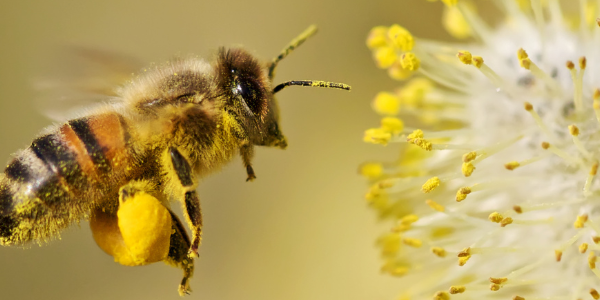
THE IMPORTANCE OF PROTECTING BEES
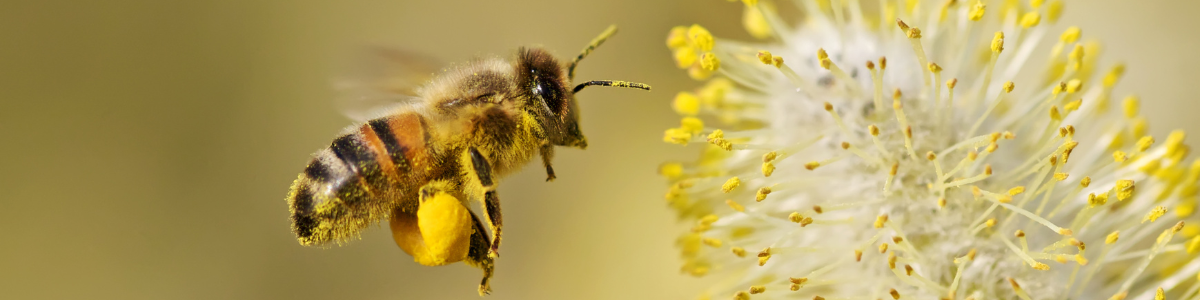
THE IMPORTANCE OF PROTECTING BEES
Bees, though often small and sometimes overlooked, are absolutely essential to the health of our ecosystems, agriculture, and food supply. These industrious insects play a crucial role in pollination—an ecological process that supports the reproduction of plants and the production of fruits, seeds, and vegetables. But over the past few decades, bee populations around the world have been declining at an alarming rate. The loss of bees could have disastrous consequences for biodiversity, food security, and even global economies.
POLLINATION: A KEY TO OUR FOOD SUPPLY
The most obvious and well-known role of bees is their involvement in pollination. Pollination occurs when bees transfer pollen from one flower to another, fertilising plants so that they can produce fruit and seeds. This process is essential for the growth of many crops, including fruits, vegetables, nuts, and seeds.
In fact, about one-third of the food we eat depends on pollinators like bees. This includes a wide range of crops, from apples and almonds to tomatoes, cucumbers, and blueberries. Without bees, the yields of these crops would be significantly reduced, and many of the foods we take for granted would become scarce or more expensive.
BIODIVERSITY AND ECOSYSTEM HEALTH
Beyond agriculture, bees are also crucial for maintaining biodiversity and supporting ecosystems. Bees pollinate not only food crops but also wild plants, trees, and flowers that make up natural habitats. These plants, in turn, support a wide range of other wildlife, from insects to birds and mammals.
For example, many wildflowers that depend on bees for pollination are an essential food source for other creatures, including birds and insects. Without these plants, the delicate balance of ecosystems could unravel, leading to cascading effects on wildlife populations.
Bees also help fertilise plants that provide habitats and shelter for a variety of species, contributing to the overall stability of ecosystems. In short, the health of bee populations is directly linked to the health of our natural world.
WHAT CAN WE DO TO PROTECT BEES?
The decline of bee populations is a serious issue, but there is hope. By making a few simple changes in how we manage our landscapes, our gardens, and our farming practices, we can help protect bees and their habitats. Here are some ways we can contribute to bee conservation:
Plant Bee-Friendly Gardens
Planting native, nectar-rich flowers in your garden is one of the best ways to support local bee populations. Flowers like lavender, sunflowers, daisies, and echinacea provide bees with the food they need. Native Australian plants, such as bottlebrush, banksia, and wattle, are particularly important for local bees.
Reduce Pesticide Use
If you're a gardener or farmer, consider reducing or eliminating the use of pesticides, particularly neonicotinoids. Instead, use natural pest control methods, such as introducing beneficial insects or using organic sprays. Supporting organic farming practices can also help reduce the use of harmful chemicals.
Support Local Bee Conservation Efforts
Support initiatives and organisations dedicated to bee conservation. In Australia, groups like the Australian Honeybee Industry Council and Pollination Australia are working to raise awareness about bee health and create sustainable farming practices. Supporting these initiatives, either through donations or participation, can help make a difference.
Protect Bee Habitats
If you have space, consider creating a "bee sanctuary" in your garden. Leave areas with wildflowers, grasses, and shrubs that bees can forage. Avoid using herbicides that kill wild plants, and protect natural habitats from urban sprawl and land clearing.
Educate Others
Raising awareness about the importance of bees and the challenges they face is key to inspiring collective action. Talk to your friends and family about how we can all help protect bees. Consider sharing information on social media to spread the word.
Bees are much more than just the humble honey producers we often think of. They are the unsung heroes of our ecosystems, food systems, and economies. The decline of bee populations is a global issue that requires urgent attention and action. By planting bee-friendly gardens, reducing pesticide use, supporting conservation efforts, and protecting their habitats, we can all contribute to ensuring that these vital pollinators continue to thrive.
If we don't act now to protect bees, we risk losing not only the sweetness of honey but the very foundation of our food security and biodiversity. Protecting bees isn't just about saving an insect—it's about preserving the future of our planet.
You might also be interested in
Jul 1, 2026
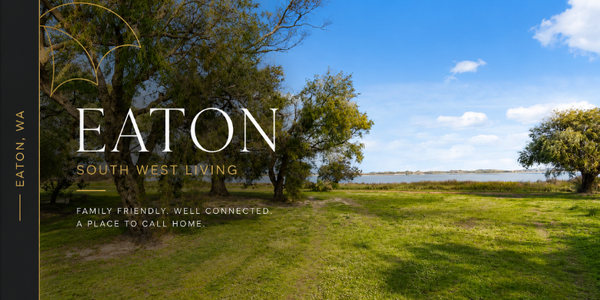
NEIGHBOURHOOD SPOTLIGHT: EATON
Eaton, WA: Riverside Living with Everyday Convenience Nestled on the banks of the Collie River, Eaton has grown into one of the South West's most desirable suburbs. Combining a relaxed lifestyle with

Jul 1, 2026
MODULAR HOMES VS TRADITIONAL HOMES
Modular Homes vs Traditional Homes: Which Option Is Right for You? If you're planning to build a new home, you've likely come across the growing popularity of modular homes. Once considered a niche o